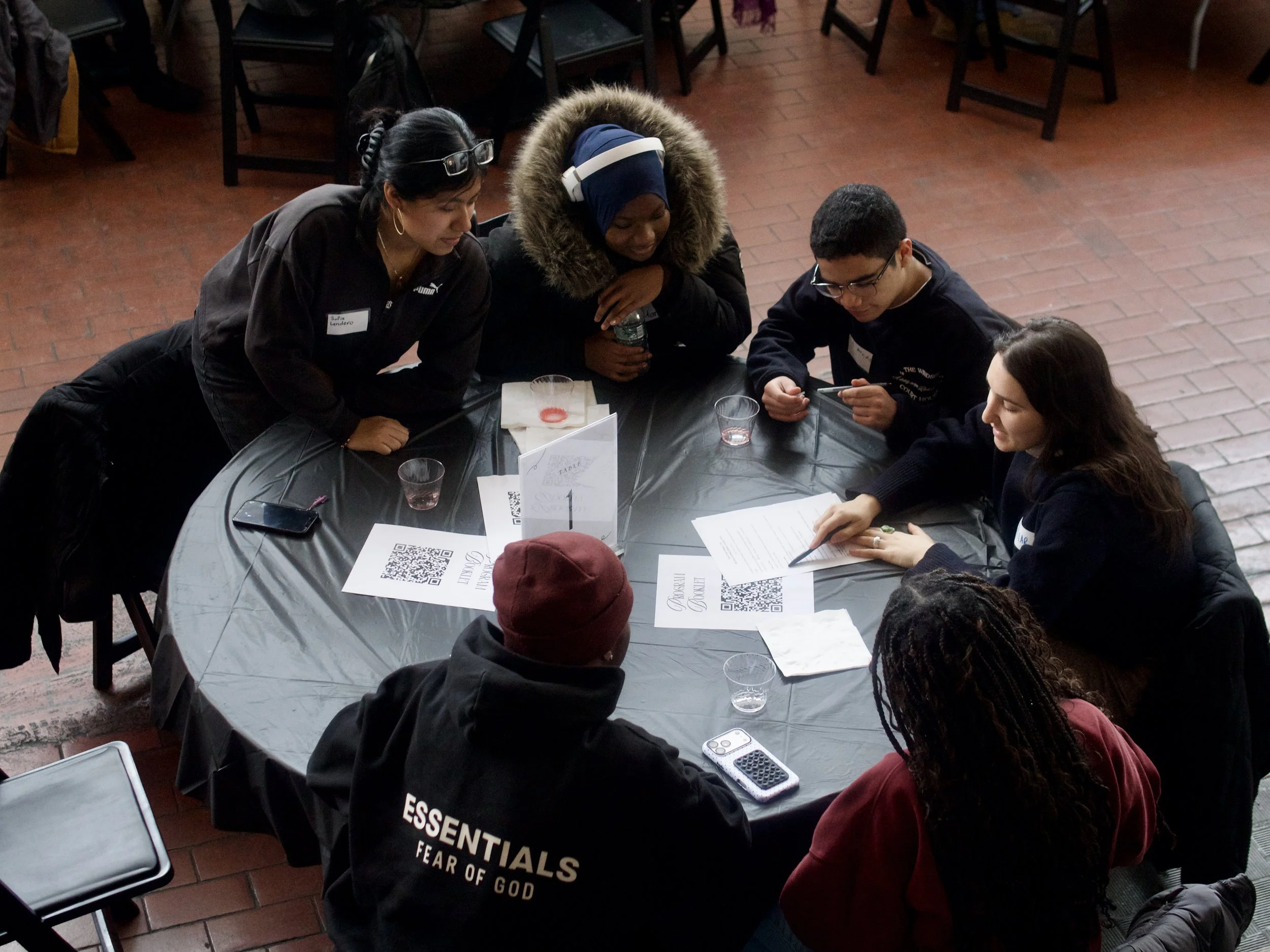
This is not school.
NewComm is a network of live project teams where we put learning to work. Students don't study business. They run one. They don't read about leadership. They practice it every week, in real time, with real stakes. The result is a student who enters the workforce having already done the work — not just studied it.
Four years. Every year, more responsibility.
Freshman — General Member. Show up to monthly events. Test what project teams build. Give feedback that actually shapes the work. See if this is for you.
Sophomore — Engaged Member. Apply and get selected onto a project team. Take a real job — managing the budget, designing the project, reaching out to partners, or running marketing. Execute a $10K project. Get paid. Students leave this year with a résumé entry, a professional reference, and a paycheck.
Junior — Fellow. Lead your own project team. Pick your teammates. Manage the budget. Present your work to experts every month. You come from the community your project serves — that's what makes the leadership real. This is what executive development programs spend thousands of dollars trying to replicate. Fellows do it at 17.
Senior — Legacy Circle & Managing Partners. Flip to the other side of the table. Mentor younger students, lead workshops, and help shape how NewComm grows. The community that invested in you — you invest back.
The front door is always open.
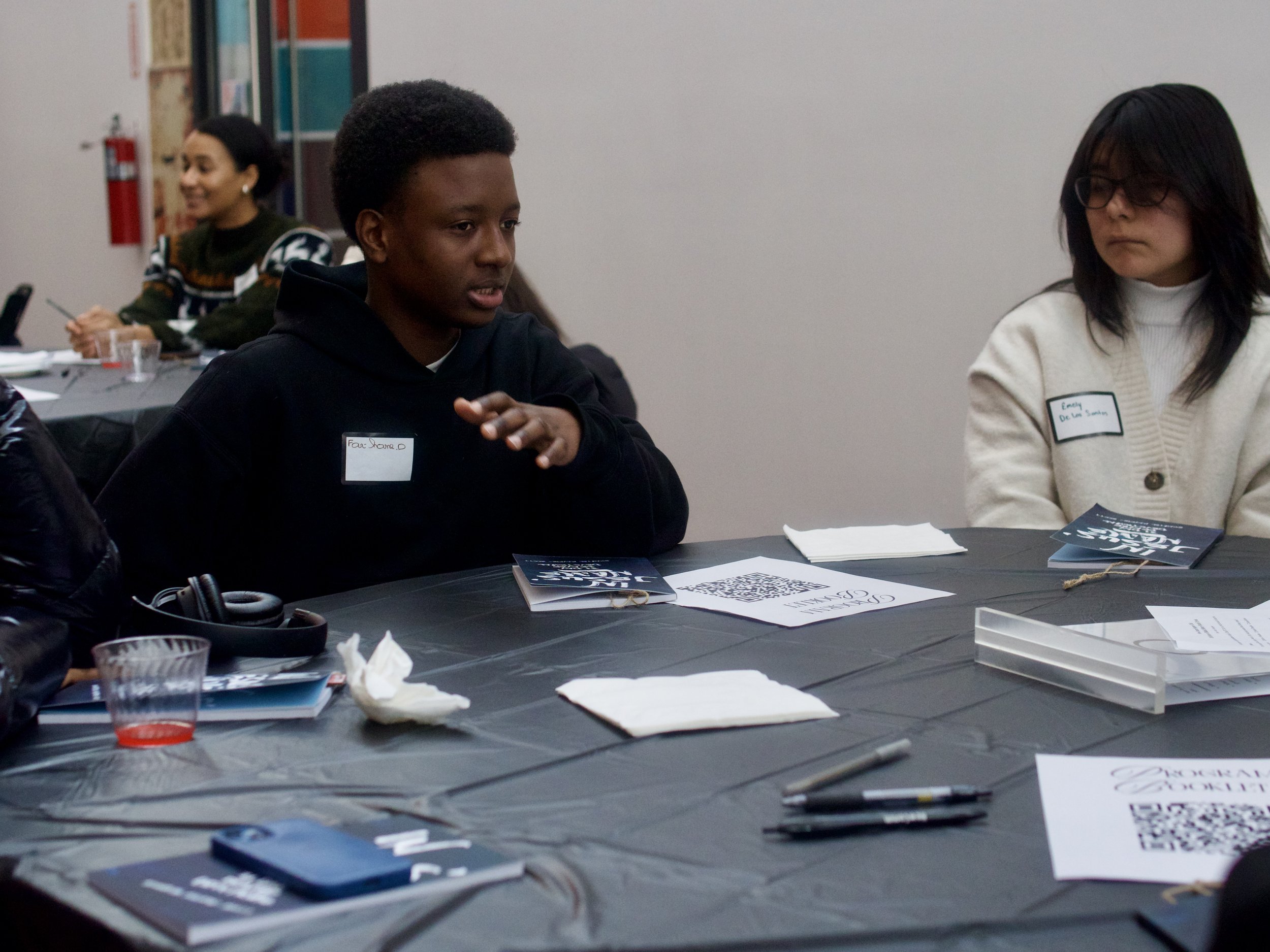
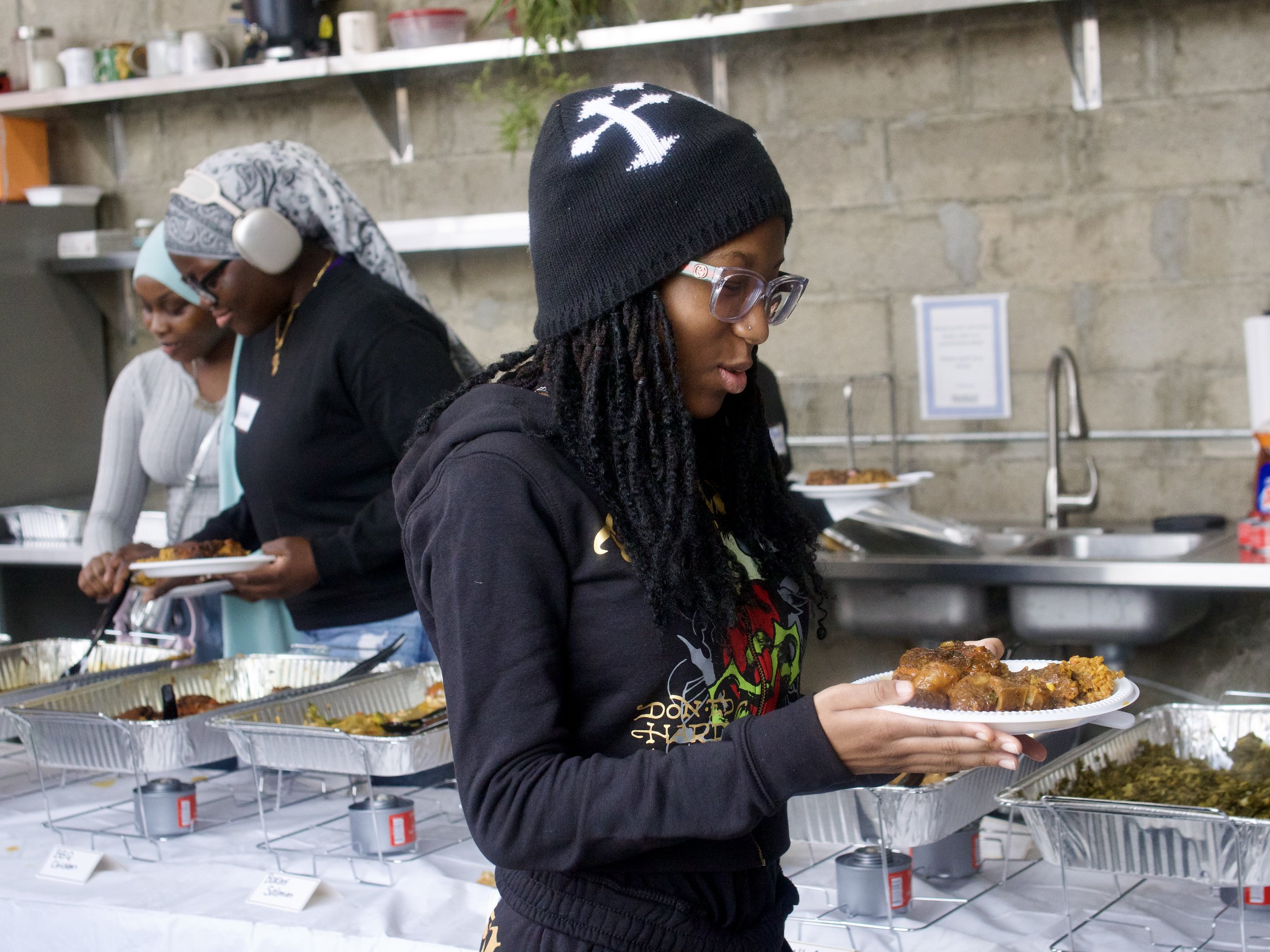
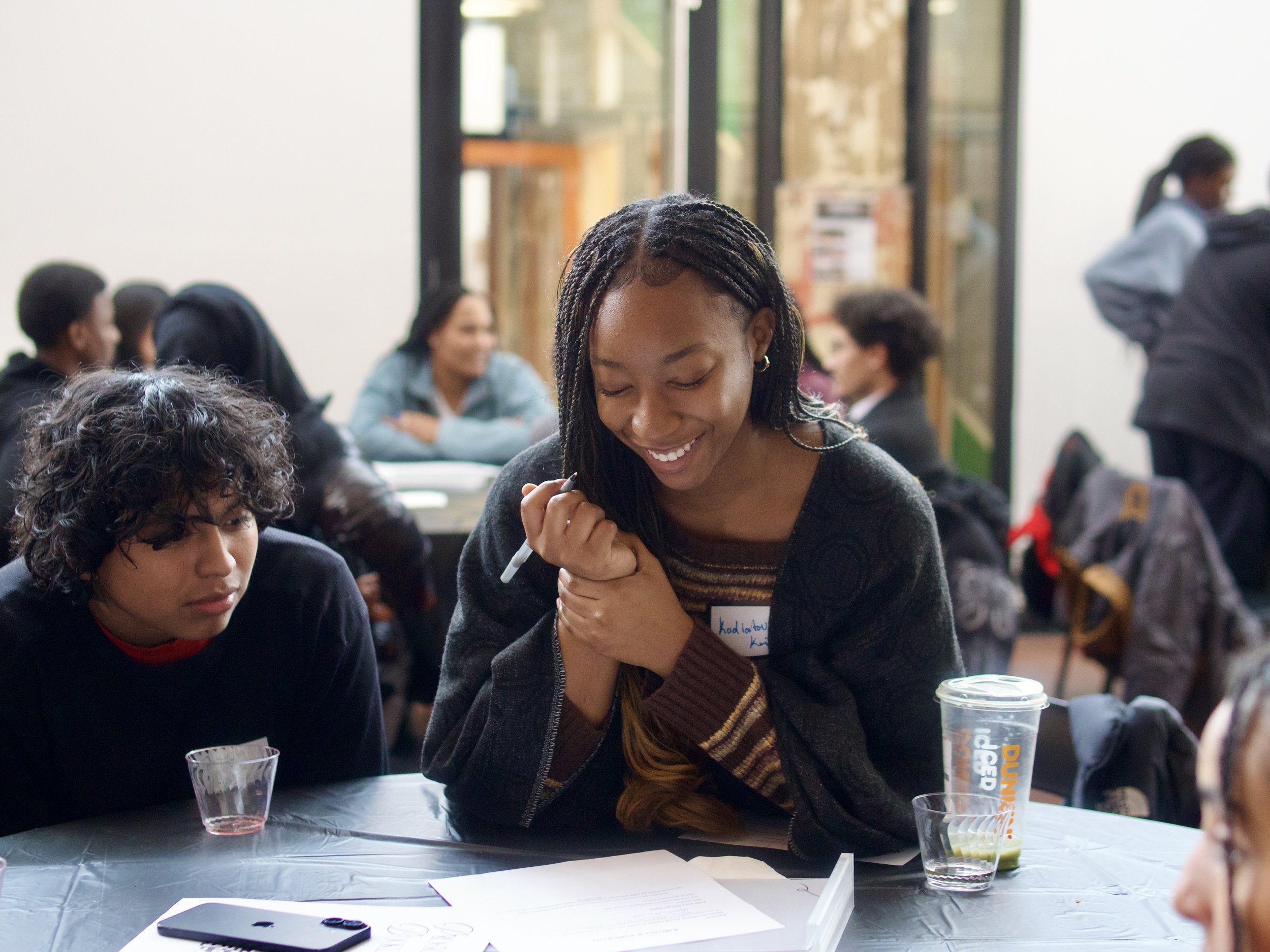
Supper Club is NewComm's signature gathering — a monthly meal that brings Fellows, Members, and professionals together around a shared theme. Not a networking event. Not a panel. A table where everyone belongs.
Each Supper Club is anchored in a theme that guides the conversation — wellness, leadership, identity, career, community. The food is good. The company is real. And something happens when you share a meal with people who treat you as an emerging colleague rather than a student to be managed.
For students, Supper Club builds the confidence and professional fluency that no classroom can teach. For professionals, it's a chance to expand what they think leadership looks like — and who gets to lead. The relationship you start at Supper Club becomes the internship, the reference, the open door at 26.
Literature as operational technology.
Every Fellow cohort reads a novel together — not as cultural enrichment, but as infrastructure. Literature from historically marginalized communities already contains the diagnosis of systemic problems and the logic of innovative solutions. Fellows read to find both.
The novel isn't studied. It's used. Fellows spend the summer extracting hypotheses from the text — ideas about power, community, and intervention — then testing those hypotheses against real data in the communities they come from. The project that emerges isn't inspired by the book. It's built from it.

Four weeks. Real work. Every month.
NewComm runs on a monthly rhythm called The Loop. Not a curriculum — a cycle of execution. Each week connects to the next. The project is always moving. Students are always driving it.
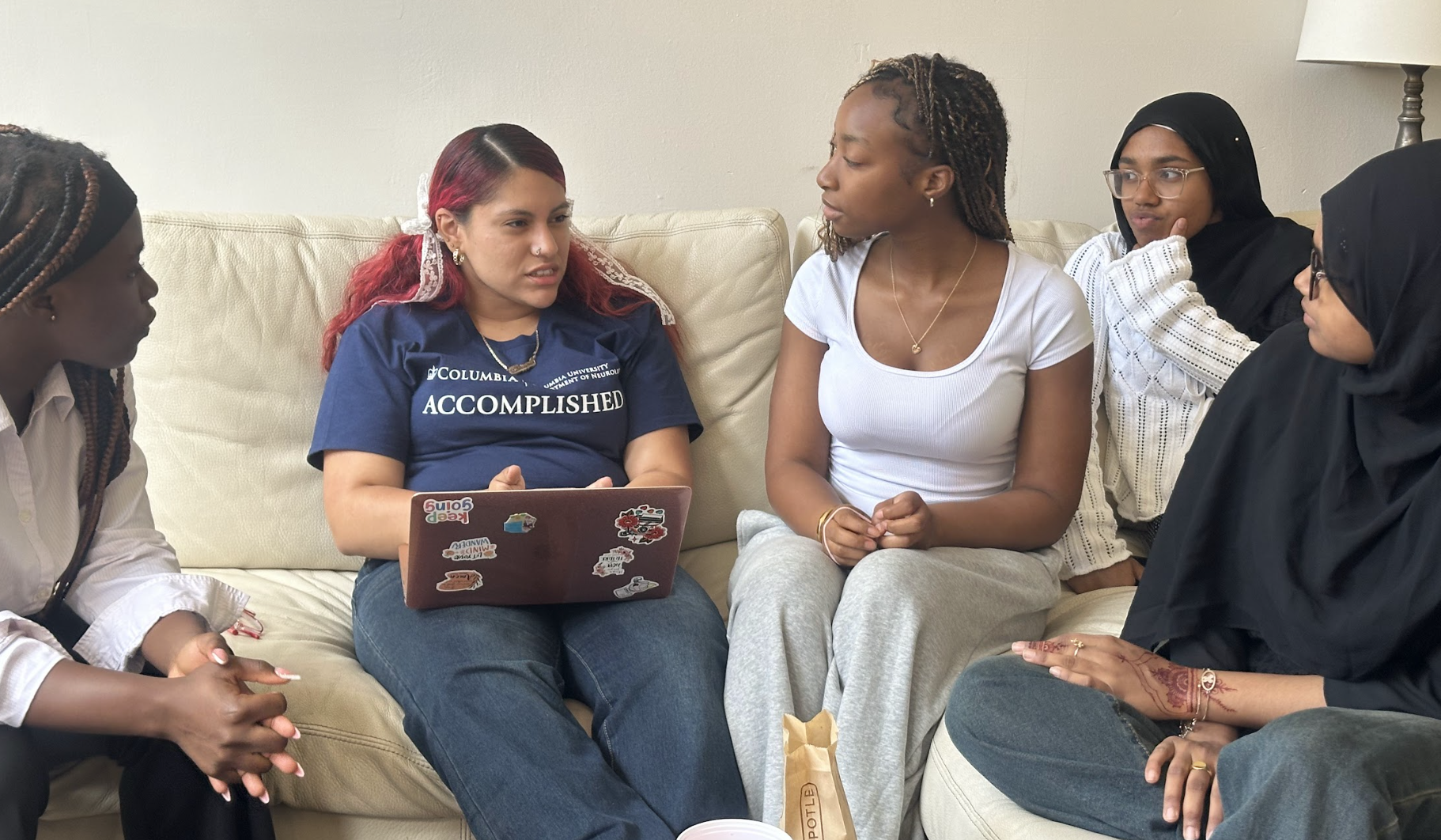
Not a simulation. A starting point.
NewComm projects aren't school assignments with a due date. They're real interventions — tested in the community, analyzed for impact, and handed off to institutions with the expectation that they continue. Students build the prototype. The institution takes it from there.
Your hardest problems, seen fresh.
NewComm partners gain something no hiring pipeline can manufacture: students who have already done the work, at real stakes, for real clients. If your organization is looking for any of the following, this is where that relationship starts.